
I have worked for over 20 years in therapeutic roles including work with drug and alcohol users, and later as a Nature and Forest Therapy practitioner. I now combine the two using nature to support recovery and improve mental and emotional health and wellbeing with people who have experienced problematic drug and alcohol use. In my earlier work, I would meet ‘clients’ in a private one-to-one space indoors, but now my ‘consulting room’ is more likely to be an opening in a woodland or sitting on a rock beside a river. About 10 years ago, I completed a PhD in Therapeutic Relationships with Drug Users and so I felt that it was time to reflect on how my current work influences the ‘Therapeutic’ or ‘Working’ Alliance.
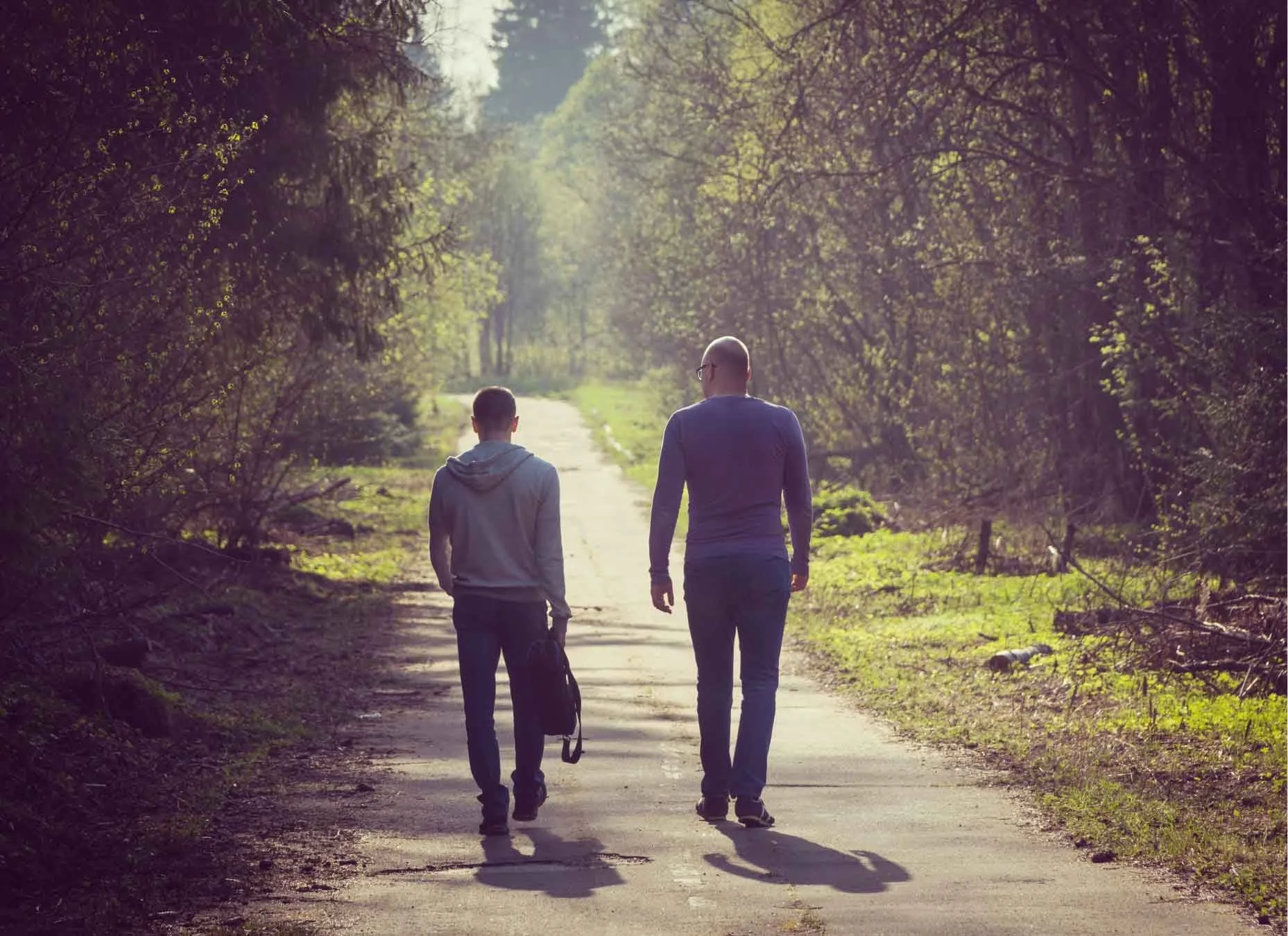
When therapeutic interactions move outside of the ‘consulting room’ and into nature, something interesting seems to happen to the relationship between myself and the people I work with and support. Nature can create a shared space where we walk alongside one another, notice the world together, and sometimes discover that healing becomes less about what one person does to another and more about how two people can explore things together. There is something wonderfully simple about walking alongside another person. We don't necessarily have to look directly at one another. There is no desk between us, no chair positioned opposite another chair, and no expectation that one person has all the answers. Instead, there is a path beneath our feet, trees moving in the breeze, birdsong in the distance and the changing landscape unfolding around us.
Conversation can and does seem to emerge much more naturally.
Sometimes it is easier to talk while walking.
Most of the time silence becomes more comfortable.
Perhaps something noticed in the landscape provides the beginning of a conversation that might never have happened inside four walls.
This is one of the intriguing possibilities offered by nature-based practices — nature can change not only the location where therapeutic work takes place, but the relationship through which that work happens. This relationship is most commonly described as the ‘Therapeutic Alliance’.
For many years, psychotherapy research has suggested that the quality of the relationship between practitioner and client is closely associated with therapeutic outcomes. A large meta-analysis of 295 studies involving more than 30,000 clients found a robust positive relationship between the strength of the Therapeutic Alliance and positive treatment outcomes across a wide range of different forms of psychotherapy.
But what happens when we take that relationship outdoors? Could walking through a woodland, sitting beside a stream, tending a community garden or simply noticing the changing seasons create new opportunities for trust, collaboration and connection? Increasingly, research suggests that it can. And perhaps the most interesting thing is that nature does not have to become another technique that the practitioner applies to the client. Instead, nature can become part of the relationship itself. As we say in Guided Forest Bathing practices, ‘Nature is the therapist, the guide just opens the door’.
What is The Therapeutic Alliance?
The Therapeutic Alliance is sometimes described as the relationship between a practitioner or therapist and their client, but it is much more than both of you simply getting along. One of the most influential understandings of the Alliance comes from Edward Bordin, who described it in terms of three interconnected elements:
- the bond between the practitioner and client
- an agreement about goals
- an agreement about the tasks or activities that will help achieve those goals
In other words, the Therapeutic Alliance involves both relationship and collaboration. The client needs to feel that the practitioner is someone they can trust, while also feeling that they themselves have an active role in deciding where the work is going (the client retains a degree of agency). This matters because therapy is not something that a practitioner simply does to someone. It is something that happens between people.
Research has consistently found an association between the Therapeutic Alliance and therapeutic outcomes. Meta-analytic research has found moderate relationships between the Alliance and outcome even after accounting for other factors, suggesting that the Alliance is not simply an incidental feature of therapy. This does not mean that a good relationship automatically produces recovery. Nor does it mean that therapeutic techniques are unimportant. Rather, it reminds us of something profoundly human:
People are more likely to engage in difficult work when they feel safe, respected, understood and genuinely involved in the process.
And this is where utilising the power of nature becomes particularly interesting and effective.
What Happens When Therapy Moves Outdoors?
Imagine two people sitting in a conventional therapy room. The practitioner has their role and the client has theirs. There is most often a subtle hierarchy built into the physical environment. One person is the professional. The other is the person seeking help.
This is not necessarily a bad thing. Professional boundaries, expertise and clinical responsibility remain extremely important. But the physical environment can reinforce the sense that the practitioner is the expert and the client is the recipient of expertise.
Now imagine those same two people walking together through a woodland.
The relationship has not disappeared.
The practitioner is still the practitioner.
The client is still the client.
But something has changed.
They are now sharing an environment.
They may both get rained on.
They may both have to step around a muddy patch.
They may both stop to watch a robin.
They may both wonder which path to take.
The practitioner may not know the name of the bird, but the client might.
Suddenly, expertise becomes more fluid.
A 2025 qualitative study by Elaine Moore and Faisal Mahmood explored therapists' experiences of working with clients in natural outdoor settings. The therapists described relationships that became more equalised, partly because both practitioner and client were exposed to the unpredictability of the outdoor environment. Unexpected situations required collaboration, while therapists described becoming more visibly human and fallible outside the traditional therapy room. That doesn't mean that professional boundaries disappear. It means something subtler happens.
The relationship can become more human without becoming less professional.

Nature Creates a Shared Third Space
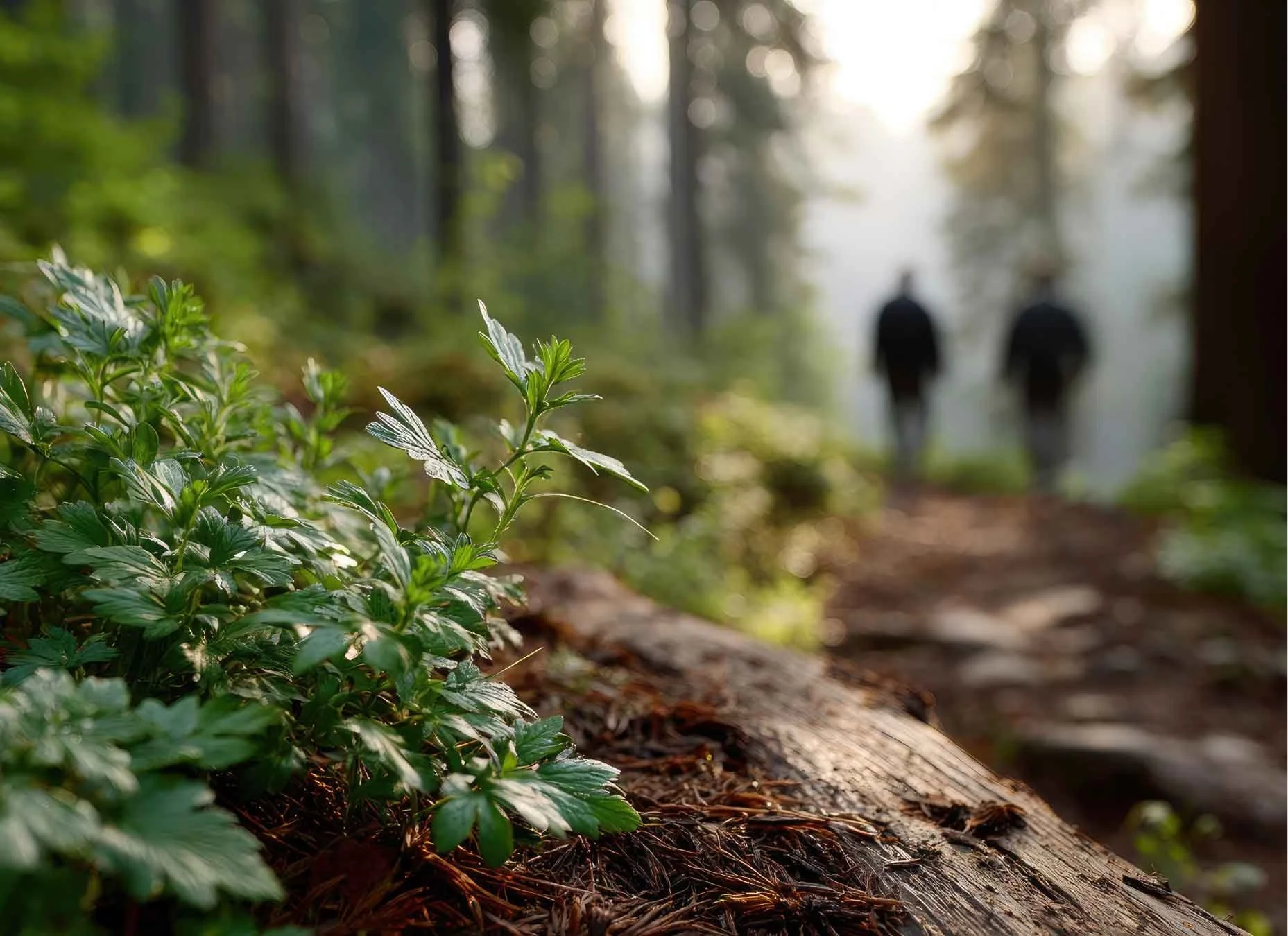
One of the most powerful qualities of nature-based practices may be the creation of what we might call a shared third space.
There is the practitioner.
There is the client.
There is the landscape that they experience together, and this changes the relational geometry.
Instead of Practitioner → Client we might begin to think in terms of Practitioner ↔ Client ↔ Nature.
Nature becomes part of the encounter.
The tree beside which we sit is not simply decoration.
The path we walk is not merely a route between two points.
The rainy weather is not necessarily an inconvenience.
The natural world becomes part of what both people are experiencing, and this can provide something extremely valuable — a shared focus that is not on either person.
Imagine a client struggling to describe how overwhelmed they feel. Rather than immediately asking another question, the practitioner might notice that the stream beside them has become swollen after heavy rain. They might gently ask “What do you notice about the water today?”. The question isn't necessarily about the stream. It might become a way of approaching something that is difficult to talk about directly.
Perhaps the client notices that the water is moving too quickly.
Perhaps they talk about feeling carried along by life.
Perhaps nothing therapeutic emerges at all, and that's okay.
The practitioner has not imposed a metaphor — they have simply opened a door — and this is an important distinction.
Nature-based practice works best when nature is invited into the conversation rather than forced to say something.
Walking Side by Side Can Change Conversations
There is also something about walking that seems particularly well suited to conversation. When two people walk side by side, eye contact becomes optional, and this can be especially helpful for people who find direct face-to-face conversation uncomfortable or intimidating. The rhythm of walking also provides a natural structure.
There is movement.
There are pauses.
There are things to notice.
There are moments when neither person needs to speak.
Research into outdoor therapy has described how moving outside can alter the Therapeutic Alliance and create different possibilities for interaction between the practitioner or therapist and the client.
For some people, this can make conversation feel less intense.
Instead of “Tell me how you are feeling” the conversation may unfold more organically.
“That tree has lost quite a lot of branches since last time.”
“Yes. I noticed that too.”
“It makes me think about…”
And suddenly the conversation has somewhere to go. The landscape becomes a gentle companion to the dialogue.
Shared Attention Can Create Connection
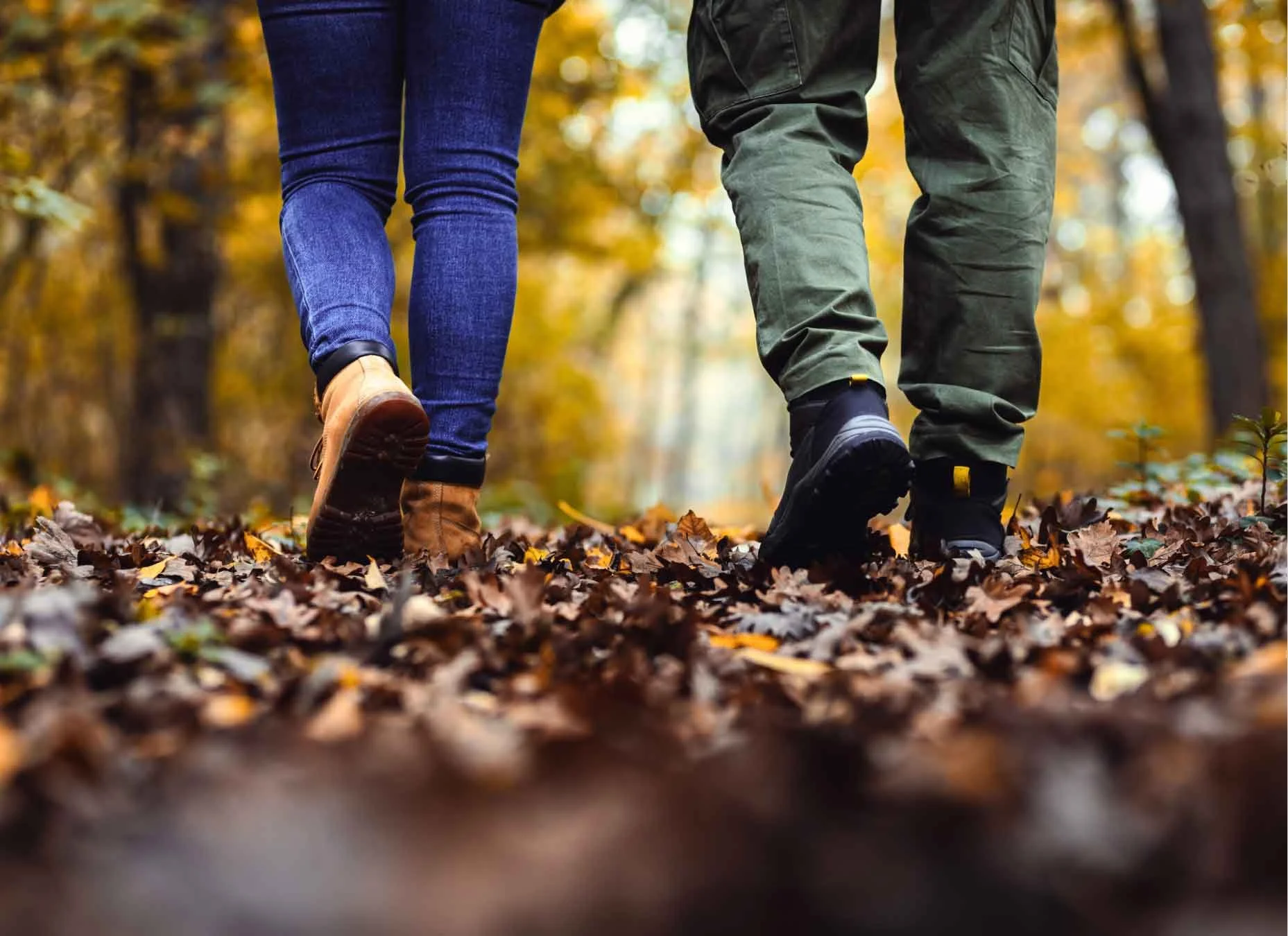
Nature also gives us countless opportunities for shared attention.
We might listen for a woodpecker.
We might watch clouds forming above a hill.
We might notice the first signs of Autumn.
We might look closely at moss growing on an old wall.
We might watch sunlight move across a woodland floor.
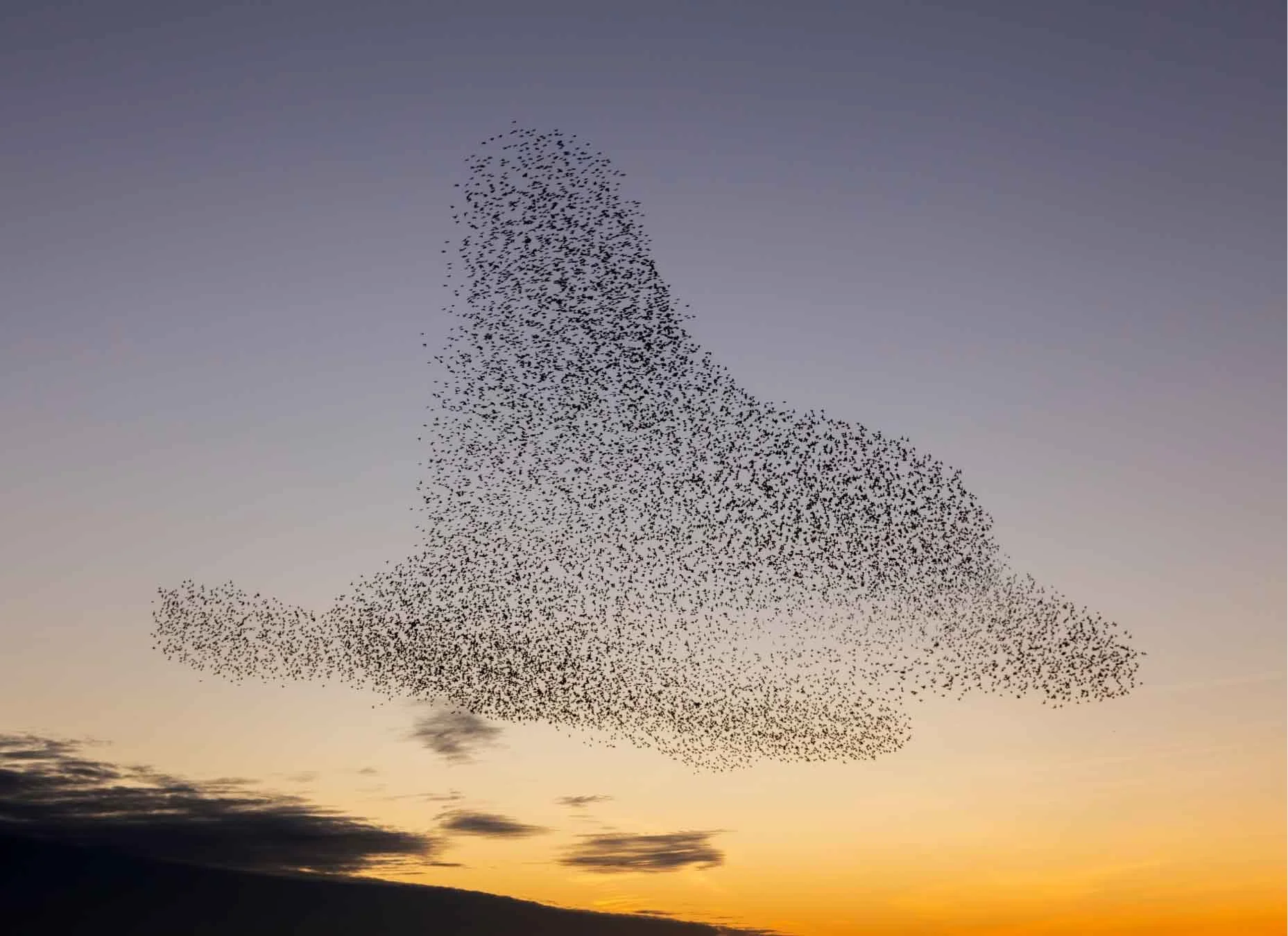
These experiences may seem small, but shared attention is relational. Two people noticing the same thing are, for a moment, inhabiting the same world, and this can be particularly important for someone who feels isolated, disconnected or trapped inside their own thoughts. The practitioner is not simply asking the client to describe their internal experience, they are joining them in noticing something beyond themselves, and there is a quiet message within that — “We are here together”.
Nature Can Soften The Power Imbalance
Every therapeutic relationship inevitably contains some degree of power imbalance. The practitioner has professional knowledge — they may have access to assessments, diagnoses, treatment plans and they have institutional or organisational authority. The client may arrive feeling that something is wrong with them and that the ‘professional’ has the answers.
Nature cannot remove these differences, but it can sometimes soften the way they are experienced. Outside, the practitioner is also a human being:
They can get cold.
They can misjudge a puddle.
They can lose the path.
They can be surprised by a sudden rain shower.
They can pause to admire something.
They can share a pleasant smell.
They can say “I don't know. What do you think?”
That last sentence can be surprisingly powerful. It communicates curiosity rather than authority and curiosity is often an overlooked foundation for therapeutic relationships. There is something deeply relational about saying, “I don't know. What do you think?” It creates space for the other person to become an expert in their own experience. Rather than filling every silence with explanations, interpretations or advice, the practitioner communicates a genuine willingness to discover something alongside the client. Curiosity says “Your experience matters to me. I don't already know what this means for you, so I'm interested in finding out”. That can be a powerful antidote to the experience of being observed, assessed or categorised by professionals. The person is no longer simply the recipient of someone else's knowledge; they become an active participant in making sense of their own experience.
Curiosity also changes the emotional quality of the relationship. Authority can sometimes make people feel that they are being judged against a standard they are expected to meet, whereas curiosity invites exploration without demanding a predetermined answer. “I wonder what that was like for you?” is very different from “Why did you do that?”. The first opens a door; the second can feel like an interrogation. When a practitioner approaches someone with genuine curiosity, there is room for surprise — for the client to say something unexpected, to change their mind, or to discover something about themselves that neither person had anticipated. Perhaps this is one of nature's quiet gifts to therapeutic work — a woodland, a river or a changing sky continually reminds us that we don't have to know exactly what will happen next. We can simply pay attention, remain curious and discover what emerges.
The 2025 study by Moore and Mahmood found that therapists experienced outdoor work as creating a greater sense of equality, with unexpected situations encouraging collaboration and revealing the therapist's vulnerability and fallibility. Here at Forest Healing, this fits beautifully with a principle that sits at the heart of our nature-based practices — We don't need to be the expert on someone else's life.
Our role can be
To accompany.
To listen.
To notice.
To ask useful questions.
To create conditions in which another person can discover what they already know.
From Expert to Companion
But this doesn't mean abandoning expertise. A skilled practitioner still needs knowledge, training, ethical awareness and appropriate boundaries. But expertise can be expressed differently. Rather than “I know what you need” the practitioner might communicate “Let's explore what might help you”. Rather than “This is the correct way to experience nature” we might say “I wonder what this place is like for you”.
Rather than prescribing a particular response to the natural world, we can become curious about the client's own experience, and this is particularly important because there is no universal way to connect with nature.
One person might find a woodland deeply calming.
Another might find it overwhelming.
Someone may love walking.
Someone else may prefer gardening.
One person may want to sit quietly beside a tree.
Another may want to identify birds, build a shelter, take photographs or simply drink a cup of tea outdoors.
There is no one-size-fits-all nature prescription but the Therapeutic Alliance is greatly strengthened when the client has genuine agency in choosing what feels meaningful to themselves.
Nature Can Make Collaboration More Natural
The word collaboration is central to the Therapeutic Alliance. The practitioner and the client need to develop a shared understanding of what they are trying to achieve and how they might work towards it to achieve optimal outcomes, and nature offers countless opportunities for this. Imagine a practitioner and their client deciding together to walk for twenty minutes. They might discuss:
Where to go.
How far to walk.
Whether to stop.
What the client would like to pay attention to.
Whether talking feels useful today or whether quiet companionship would be better.
These choices may appear insignificant, but they are not. Every time a practitioner genuinely asks “What would work for you?” they reinforce agency, and agency is massively important for recovery. This is particularly relevant to nature-based approaches to recovery, where the aim is not to create dependence upon a practitioner but to help people develop their own resources, relationships and sense of possibility. The practitioner can open the door (to nature) and the person chooses whether, when and how they walk through it.
Permission Not To Talk
One of the strange pressures of conventional therapeutic approaches is the expectation that something meaningful must happen during every session.
Silence can feel awkward.
A pause can feel like failure.
Outside, silence can become something different.
We can walk quietly.
We can listen to wind moving through the trees.
We can watch a bee visiting flowers.
We can stand beside a river.
There is always something happening, and silence doesn't necessarily mean that nothing is happening. Sometimes the most important thing a practitioner can offer is simply their willingness to be there without demanding words.
For people who have spent much of their lives having to explain themselves — to professionals, to family members, to institutions or services — this can be profoundly different.
They don't have to perform recovery.
They don't have to produce an insight.
They don't have to find the right words.
They can simply be present.
And the practitioner can be present with them.
Gentle Opportunities For Vulnerability
Therapeutic relationships require vulnerability. The client needs to feel sufficiently safe to reveal something of themselves, but vulnerability is not necessarily one-directional. A practitioner who appears completely invulnerable can inadvertently create distance, but outdoor environments introduce a degree of shared vulnerability.
The weather changes.
A path becomes slippery.
A gate is unexpectedly locked.
A bird suddenly startles both people.
The environment refuses to behave according to the plan and this unpredictability can create moments in which both practitioner and client have to respond together. Research with outdoor therapists suggests that these moments can contribute to what practitioners describe as a more natural vulnerability and greater relational depth. There is something beautifully human about discovering that the person accompanying you doesn't have everything under control either. They don't need to. They simply need to be trustworthy when things are uncertain.
Nature Can Help Us To Notice Rather Than Analyse
Many therapeutic approaches involve reflection and meaning-making and these are valuable skills. But sometimes we become so absorbed in analysing our thoughts and feelings that we lose contact with the immediate experience of being alive. Nature offers another possibility.
Instead of asking “Why am I feeling this way?” we might first ask “What am I noticing right now?”
What is happening in the body?
What can we hear?
What can we see?
What changes when we slow down?
What happens to our breathing when we stop?
This shift from analysis to awareness can create a different quality of interaction when the practitioner is no longer simply asking questions about the client's story. They are helping the client become curious about their present experience and this can make therapeutic conversations more embodied.
Nature Can Become a Co-regulating Environment
Human beings are profoundly social creatures. Our nervous systems are influenced by the people around us. A calm, attentive and emotionally available practitioner can help create conditions in which a client feels safer. Nature may add another layer to this.
A quiet woodland.
The repetitive movement of water.
Birdsong.
Wind in the canopy.
The sensation of walking.
The changing light.
These sensory experiences can provide a gentle backdrop against which therapeutic work unfolds.
It is important not to turn this into an exaggerated claim that nature automatically regulates the nervous system or that a particular landscape is therapeutic for everyone.
Nature can be uncomfortable.
It can evoke memories.
It can feel unsafe.
It can be noisy, cold, wet or overwhelming.
But when a person experiences a natural environment as welcoming, the sensory richness of that environment may support attention, grounding and presence. A 2024 systematic synthesis of evidence found that nature-based interventions can be associated with improvements in mental health outcomes, and that the quality of the therapeutic relationship — the Alliance — continues to matter greatly even when work takes place outdoors. Nature does not replace the Alliance; rather, the two appear to strengthen one another.
Final Thoughts
Therapy has long understood that the relationship between two people is one of the most powerful vehicles for change. What the growing body of research into outdoor and nature-based practice suggests is that the physical environment shapes that relationship in quiet, profound, and sometimes surprising ways. Taking therapy outside does not simply mean moving the same conversation to a new room. It can transform the very geometry of the encounter — inviting collaboration, softening hierarchy, creating space for silence, and offering a shared third element that holds the work gently.
This is directly relevant to Iona's approach in Glasgow. Walk-and-talk counselling sessions in the parks of Glasgow's Southside are not just “counselling with a walk attached”. They are a deliberate therapeutic choice — one that honours the research described in this article. Walking side-by-side, sharing the same weather, pausing to notice the same bird or the same tree, all help to create an Alliance in which the client can feel genuinely seen, genuinely involved, and genuinely safe. Nature does not do the work of counselling, but it can create the conditions in which that work can unfold more naturally, more comfortably, and more humanely.